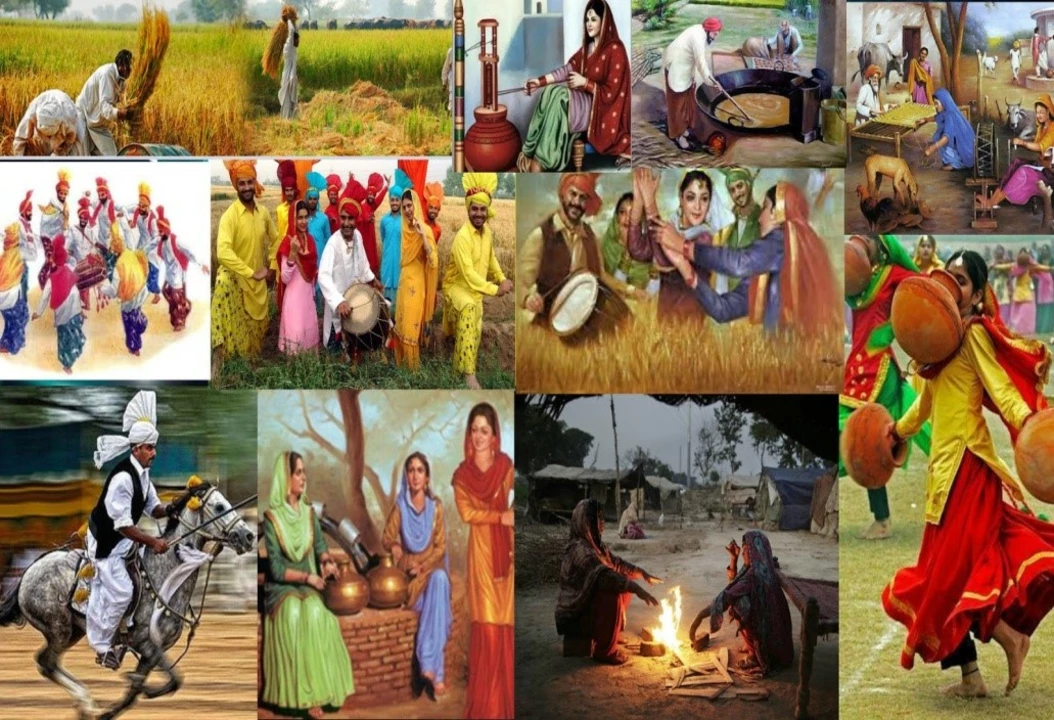
Culture: Food, TV and Everyday Life
Welcome to the culture tag on Society Watch TV. Here you'll find short, sharp pieces and documentary-style takes about the things that shape how we live: food, TV, migration, social tensions and everyday life. Expect honest opinions, useful context, and ideas you can think about or talk about over dinner.
Food, media and identity
Food often leads our conversations about culture. Posts like "What is so good about Indian food?" break down how spices, regional dishes and ritual meals connect to identity and celebration. Reading about a dish can be more than recipes — it shows where people come from and how they remember home.
TV and media shape taste too. Articles such as "Are all new network TV shows terrible?" or "What old TV show (25+ years old) totally held up?" ask the practical question: what stays relevant and why? Those pieces explain tone, pacing and what audiences look for now versus decades ago. If you want to understand cultural shifts, look at what's popular on screen and why.
Everyday life, migration and social issues
Culture isn't only art and food — it's the daily grind. Read posts on living in India and the everyday struggles people face. Short explainers like "What are the common everyday struggles of life in India?" list concrete problems: housing, work, access to services, and social barriers. Those stories help outsiders and locals make sense of real choices people make every day.
We also cover diaspora questions. Pieces such as "Why do some Indians hate Indian Americans?" look at pride, class, and cultural friction. They don't just repeat headlines; they point to specific tensions — different lifestyles, expectations and how success gets judged across borders. That clarity helps when you encounter similar conversations in real life.
Practical angles show up too. Want to compare costs? "Is it typically more expensive to make a movie than a TV show?" explains budget basics and why production choices change the end product. Curious how quickly a show can be shot? The post about a series filmed in days highlights trade-offs between speed and quality. Little facts like these make culture feel tangible.
If you're browsing this tag, try skimming the short opinion pieces, then pick one documentary-style post to watch or re-watch. Use the posts to start a chat with friends: bring up a food story at dinner, argue about a TV show's pace, or ask someone who moved countries how they compare daily life. Culture is easier to understand when you connect it to a meal, a show, or a personal story.
Want a quick takeaway? Culture is everywhere — in what we eat, what we watch and how we live. Read one piece, then follow a topic that pulls you in. You’ll come away with specific examples you can use in real conversations, not just vague ideas.
India is a magnificent country with a vibrant culture and a unique way of life. Life in India is varied, from bustling cities to quiet rural towns, from modern shopping malls to ancient bazaars. Every day, people wake up to the sound of India's many languages, stroll through its bustling markets, and savor its diverse cuisine. Life in India isn't always easy, but it is always filled with color and joy. From the Taj Mahal to the Himalayas, India is a land of beauty and a land of surprises. Every day brings something new and exciting to explore and experience.
Continue reading...
India and Russia have had a long-standing relationship, and many Indians have chosen to live in Russia. Living in Russia as an Indian can be an interesting and rewarding experience. Indians find that the Russian people are friendly and welcoming, the cost of living is low, and there is a wide range of cultural and leisure activities to enjoy. Although language can be a barrier, most Russians speak at least some English, and communication is possible. Overall, living in Russia as an Indian can be an enjoyable and stimulating experience.
Continue reading...