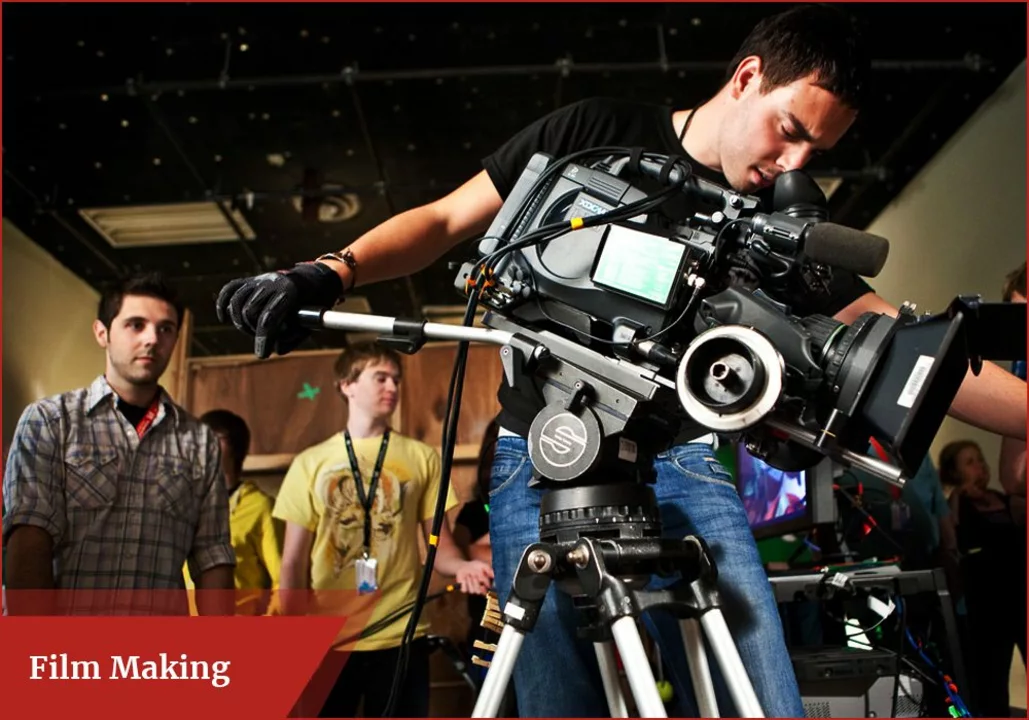
Filming Process: Practical Guide for Documentaries & TV
Good filming starts before you point the camera. Whether you’re shooting a short documentary, a TV segment, or a web episode, a clear process saves time, money, and stress. This short guide breaks down the steps I use on low- to mid-budget shoots so you can get usable footage every day.
Pre-production & planning
Start with a simple plan. Write a one-page brief that says what story you want, who you’ll interview, where you’ll shoot, and what deadline you must meet. Make a shot list and a rough schedule. A shot list tells you what you need to capture so you don’t come back with gaps.
Cast the right people. For interviews, pick people who speak clearly and stay on topic. Send questions ahead so they can prepare. Get signed release forms before you film so you avoid legal headaches later.
Scout locations. Visit the site at the same time of day you’ll shoot to check light, sound, and background action. Note power sources and parking. If you need permits, apply early — some city permits take weeks.
Build a simple budget and call sheet. Even on small shoots, list contact numbers, call times, and key gear. A call sheet keeps everyone on the same page and reduces last-minute confusion.
Shooting, sound, and post-production basics
Prioritize sound. Bad audio ruins good video. Use a dedicated microphone and record a backup. Mic placement matters: lapel mics for interviews, shotgun for distance, and a portable recorder as a safety track.
Light for faces. Natural window light works well, but add a soft fill if faces look flat. A basic two- or three-point light setup gives a clean, professional look without heavy gear.
Shoot more B-roll than you think you need. Cutaways of hands, environment, and reaction shots make edits smoother. B-roll also lets you cover jump cuts in interviews or replace awkward transitions.
Keep camera settings consistent. Match white balance, frame rate, and exposure across shots to avoid color and motion mismatches in editing. Label cards and back up footage every day to at least two drives.
Edit with structure. Assemble the best interview clips first, then layer B-roll and cutaways. Create a rough cut, then address sound mixing and color correction. Export small review files for feedback before final delivery.
Final tips: keep kit lists short, practice quick mic checks, and plan for one extra shooting hour per location. Small habits—naming files clearly, logging clips, and backing up—make post-production fast and less painful. Want a checkable shoot checklist? Make one page that follows this flow and use it on every job.
I recently came across an interesting fact about a TV series that was shot incredibly quickly. It turns out that the sitcom "South of Sunset" holds the record for being filmed at a rapid pace. The show, starring Glenn Frey, only aired for one episode before being cancelled, but the production team managed to shoot all six episodes in just two weeks! This is a testament to the efficiency of the cast and crew and shows how quickly a TV series can be produced when everyone is on the same page. It's a fascinating bit of trivia for any TV enthusiasts out there!
Continue reading...