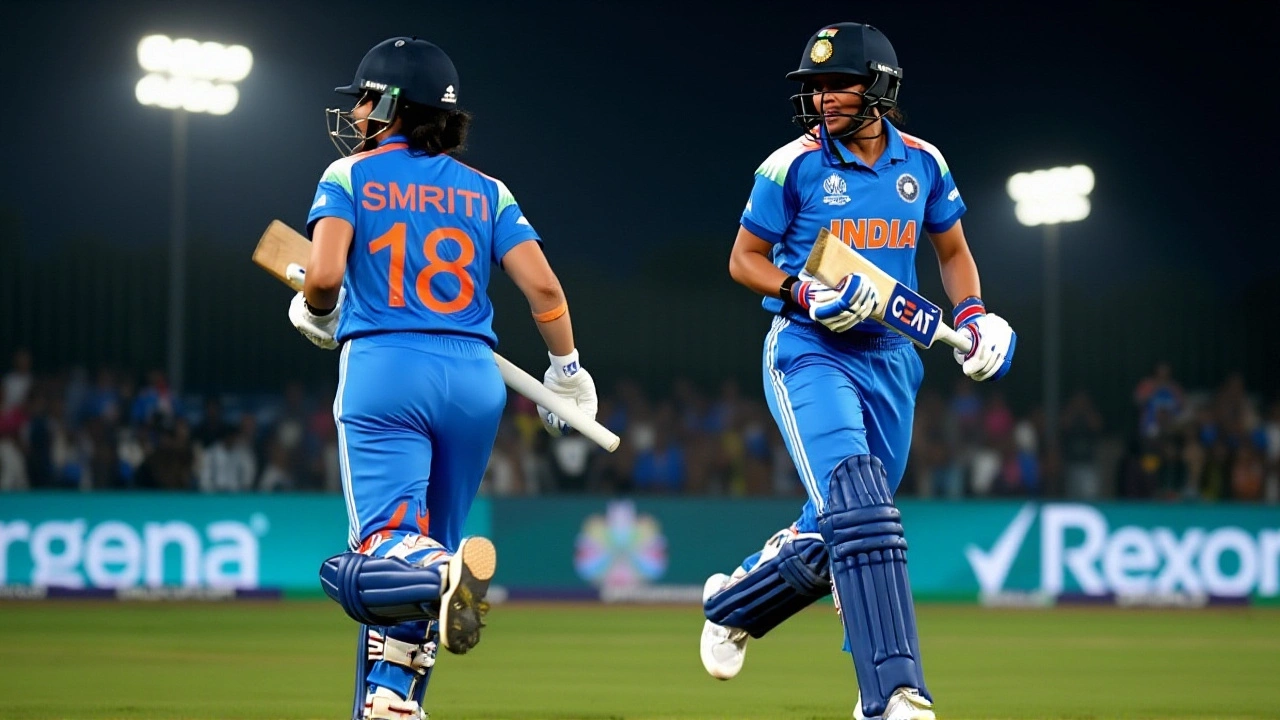
India women
India women, women living in India who navigate a complex mix of tradition, opportunity, and resistance. Also known as Indian women, they’re not just a demographic—they’re athletes breaking records, mothers balancing work and family, and activists demanding space in rooms where they’ve long been excluded. You’ve seen them on TV: Richa Ghosh smashing the fastest fifty in women’s T20I history, or Shubman Gill’s team celebrating a win—but the real story isn’t just the trophy. It’s the girl in a rural village who walks five kilometers to school because there’s no bus. It’s the woman in Mumbai who works double shifts to pay for her daughter’s coaching fees. It’s the mother who hides her cricket bat under her bed because her in-laws say it’s "not proper."
Women’s cricket, a fast-growing sport in India that’s changing how girls see their potential isn’t just about sixes and wickets. It’s about visibility. When Richa Ghosh hit that 50 in 18 balls, over 47,000 people stood up—not just because it was historic, but because they finally saw someone who looked like them doing something extraordinary. That moment didn’t come from nowhere. It came from years of girls playing on dusty grounds with borrowed gear, from coaches who refused to give up, from parents who said yes when everyone else said no. And it’s still growing. The BCCI’s push for more women’s series, more pay, more airtime—it’s not charity. It’s demand.
But not every story is on the scoreboard. Gender inequality, the quiet but deep divide that still shapes daily life for millions of Indian women shows up in ways no camera catches: the girl who drops out of school to care for siblings, the worker paid less than her male coworker for the same job, the woman who can’t open a bank account without her husband’s signature. These aren’t abstract issues. They’re the reason some women still hide their ambitions. And yet, change is happening—one decision at a time. More women are starting businesses. More are speaking out on social media. More are refusing to stay silent.
And then there’s daily life in India, the rhythm of existence that’s both chaotic and beautiful for women across the country. It’s the smell of spices in the morning, the sound of a thousand languages, the crowded trains, the unspoken rules, the laughter in the courtyard. For some, it’s a life of quiet strength. For others, it’s a daily battle for basic dignity. The posts here don’t sugarcoat it. They show the full picture: the highs of winning a match, the lows of being told you’re not enough, and everything in between.
What you’ll find below isn’t a list of headlines. It’s a collection of real moments—from a record-breaking innings to the quiet courage of women just trying to live on their own terms. These are the stories that don’t make the news but shape the future. Pay attention. They’re telling you something important.
Australia will face India, and South Africa will take on England in the ICC Women's World Cup 2025 semi‑finals, with venue, key players and stakes outlined.
Continue reading...