Women's Cricket World Cup: Teams, Records, and the Rise of Women's Cricket
When you think of the Women's Cricket World Cup, the premier international tournament for women’s cricket teams, organized by the ICC to crown the world champion in the 50-over format. Also known as ICC Women’s Cricket World Cup, it’s more than just a competition—it’s the stage where young players become legends and underdogs rewrite the rules. This isn’t just about runs and wickets. It’s about visibility, pay equity, and changing perceptions. Over the last decade, the tournament has gone from being an afterthought to a global event with packed stadiums, massive TV deals, and fans who know every player’s name.
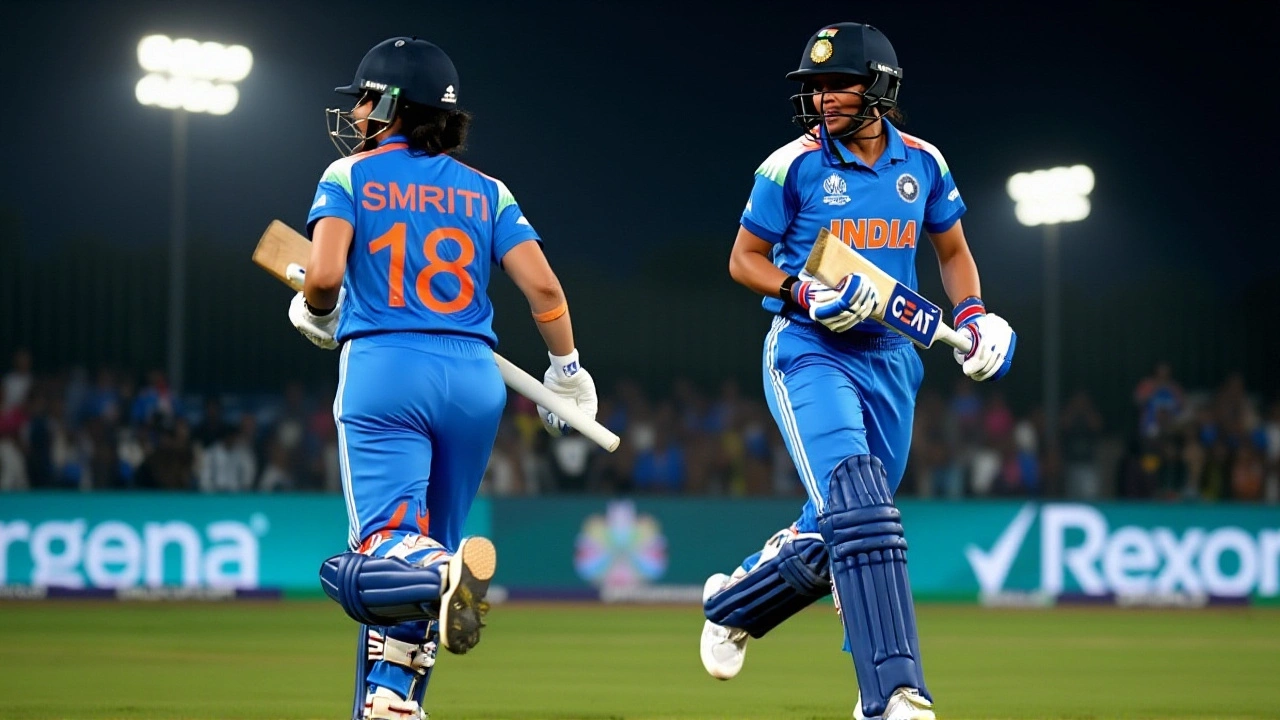
The India women’s cricket, the national team representing India in international women’s cricket, known for its aggressive batting and improving fielding standards has been at the heart of this shift. Remember when Richa Ghosh smashed the joint-fastest fifty in women’s T20Is? That wasn’t just a highlight reel moment—it was proof that Indian women are not just competing, they’re dominating. Her 18-ball 50 against the West Indies didn’t just break records; it made headlines across the world. And it wasn’t an accident. It’s the result of better training, more exposure, and a growing fanbase that shows up in droves—like the 47,000+ at DY Patil Stadium.
It’s not just India. Australia, England, South Africa, and New Zealand have all pushed the game forward with professional contracts, dedicated academies, and media coverage that treats these players like stars—because they are. The T20 World Cup, the ICC’s premier short-format tournament for women’s national teams, which has become the most-watched event in women’s cricket now draws bigger audiences than many men’s domestic leagues. The gap between men’s and women’s cricket isn’t closing—it’s disappearing in places where the game is given real support.
What you’ll find in these posts isn’t just match reports. It’s the story of how a few bold decisions—by boards, by players, by fans—turned a niche event into a movement. From BCCI’s scheduling choices to the quiet rise of young wicketkeepers and all-rounders, every article here connects to a bigger truth: women’s cricket isn’t waiting for its moment. It’s already here.
Australia will face India, and South Africa will take on England in the ICC Women's World Cup 2025 semi‑finals, with venue, key players and stakes outlined.
Continue reading...