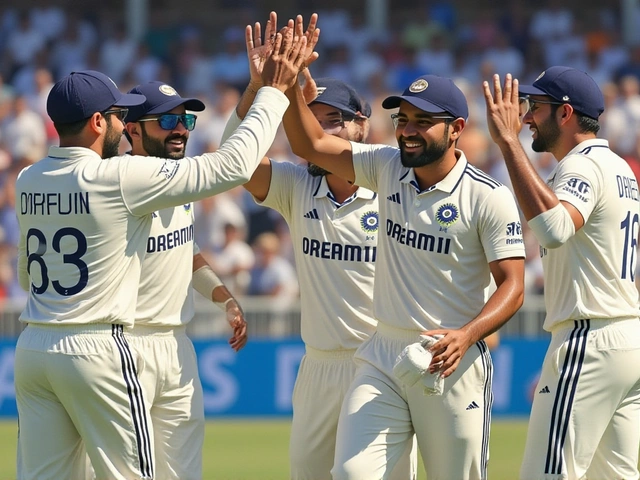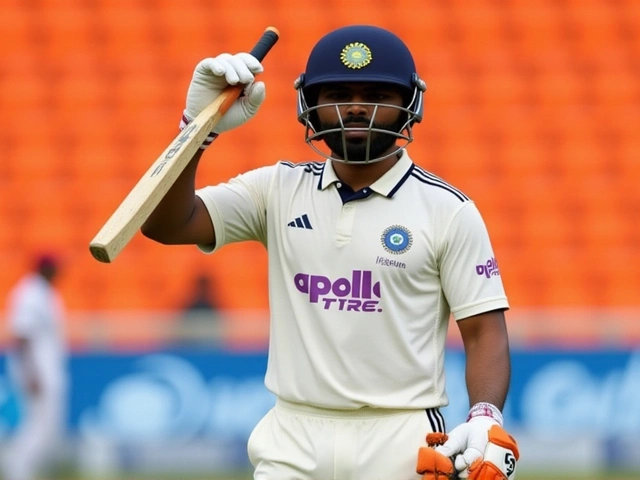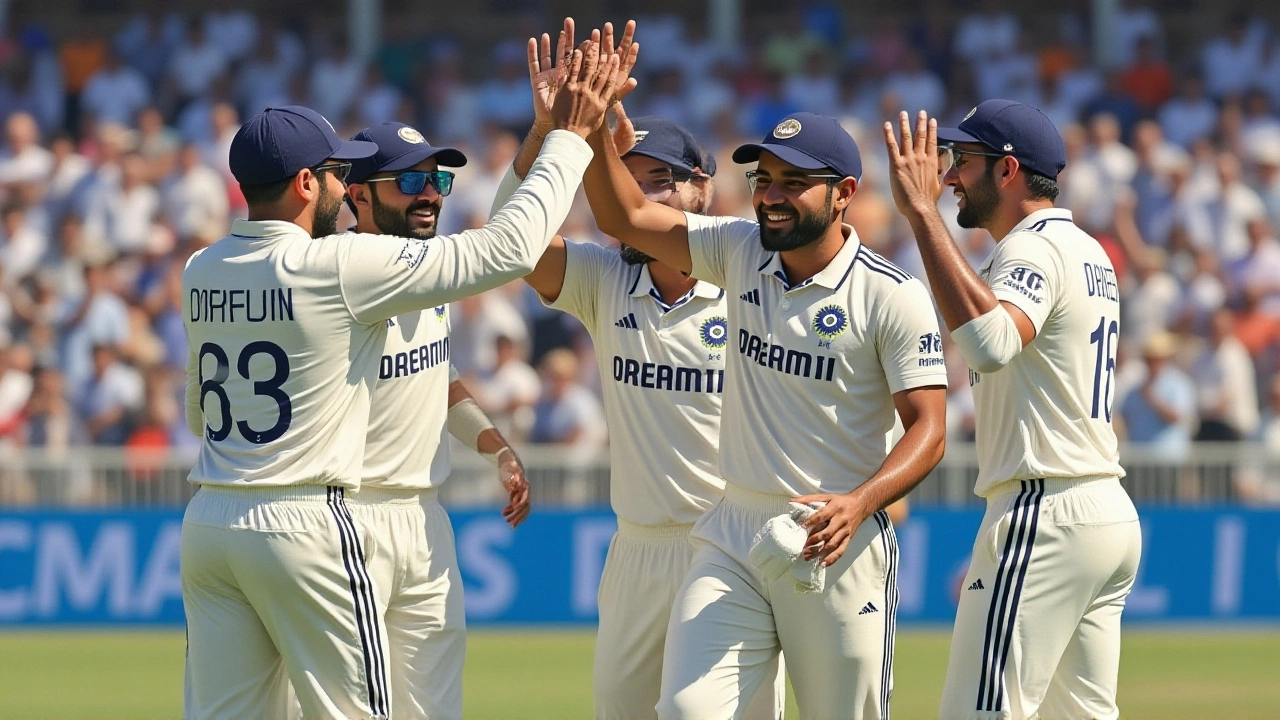
When India chased down The Oval’s final target with just six runs to spare on August 4, 2025, they didn’t just win a Test match—they rewrote the ICC World Test Championship standings. The victory, sealed in a nerve-wracking final session of the fifth and final Test of the Anderson-Tendulkar Trophy, lifted India to 28 points in the series-specific table and cemented their position as the tournament’s overall leader with 52 points from eight matches. England, despite their gritty 367-run second innings, fell agonizingly short, dropping to 26 points and slipping from first to third in the broader standings. This wasn’t just a win. It was a statement.
The Final Over Drama at The Oval
The match had everything: rain delays, a defiant 89-run partnership between Joe Root and Ben Stokes, and a last-wicket stand that lasted 47 balls. India, posting 224 and then 396, set England a target of 374. The hosts looked in control at 304 for 5, but Jasprit Bumrah struck twice in three overs, and Shami clean-bowled Stokes with the final ball of the 85th over. The last man, James Anderson, survived four balls before edging to Cheteshwar Pujara at slip. The crowd fell silent. The scoreboard read: 367 all out. Six runs short.
Series Rollercoaster: A Five-Test Battle
This wasn’t a one-off. The Anderson-Tendulkar Trophy was a seesaw of momentum. Headingley saw England dominate with a 5-wicket win in June, thanks to Root’s 150. Edgbaston became India’s fortress as they crushed England by 336 runs. Lord’s, in July, gave England a narrow 22-run win—thanks to a gritty 124 from Ben Duckett. Then came the draw at Old Trafford, where both teams earned 4 points each, keeping the table tied. That’s what made The Oval so decisive: no room for error. India had to win. They did.
WTC Standings: Who’s Really Leading?
Here’s where it gets tricky. The ICC uses two tables: one for series-specific points (used for ranking within the current series), and the official overall championship table. India’s 28 points from five matches (2 wins, 2 losses, 0 draws) gave them the series edge, but their overall 52 points from eight matches—four wins, three losses, one draw—put them atop the global standings. Australia, with three wins from three matches, sits second with 36 points. England, with two wins, two losses, and one draw from five matches, remains third with 26 points. The math isn’t intuitive, but it’s clear: India is now the team to beat.
Why the Tiebreakers Matter
The ICC doesn’t just look at points. If two teams finish tied, it goes to series wins first. Then away win percentage. Then official Test rankings. India’s 2-1 record in away matches this cycle gives them an edge over Australia, who’ve only played at home. England’s two abandoned matches—both in 2024 against South Africa—count as draws, diluting their win percentage. That’s why, despite having the same number of wins as India in the series, England lost the tiebreaker on win percentage: 43.33% versus India’s 46.67%.
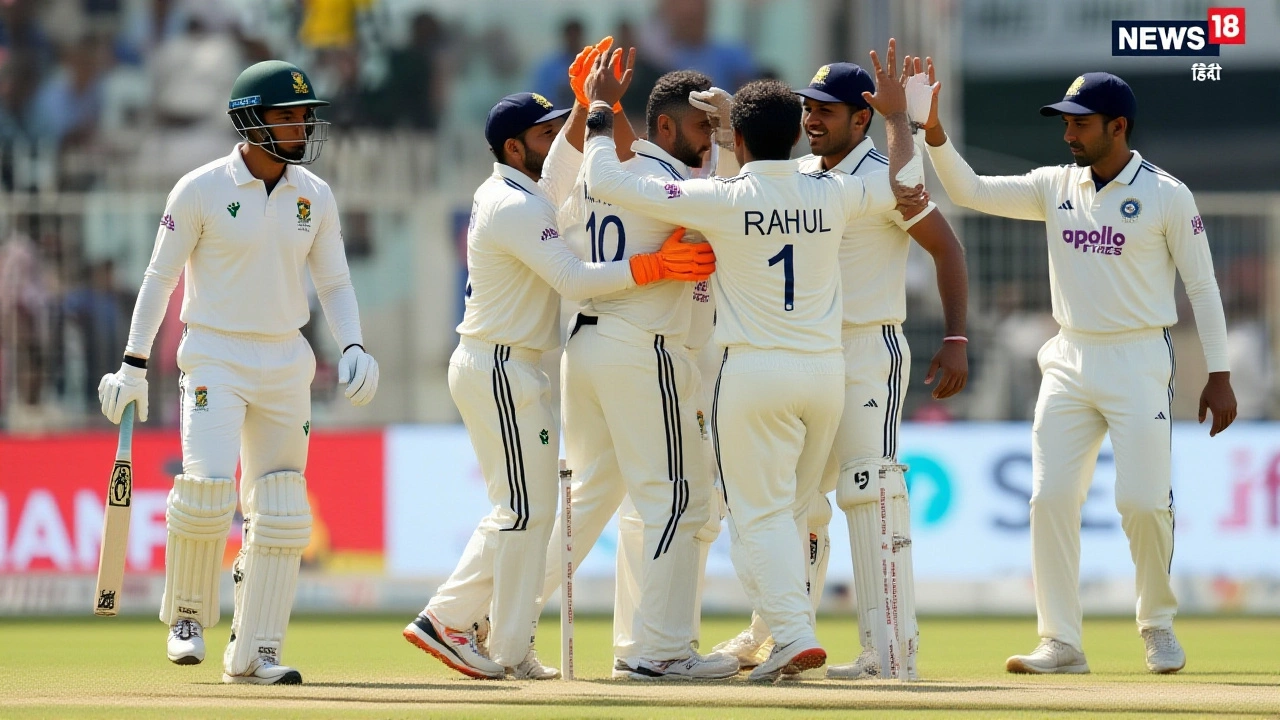
What’s Next? South Africa, Sri Lanka, and the Final Path
India’s next challenge arrives in November 2025: a two-match series against South Africa in Pune and Delhi. South Africa, currently fourth with 24 points, are hungry. A win there would all but guarantee India’s place in the 2027 final. Meanwhile, England faces a must-win series against Sri Lanka in December and January—three matches in Colombo and Galle. Lose even one, and their final hopes vanish. Australia, meanwhile, has two series left: home against Pakistan and away to New Zealand. They’re in the driver’s seat, but India’s consistency makes them the favorite.
Historical Weight: Who’s Been Here Before?
Only three teams have reached a WTC final since the competition began in 2019: Australia, India, and New Zealand. South Africa made their debut final in 2025. England? Never. Neither have Pakistan, Sri Lanka, Bangladesh, or West Indies. That’s the pressure India carries now. They’ve been here before—in 2021, they lost to New Zealand in the final. This time, they’ve got the momentum, the experience, and the squad depth. The Oval wasn’t just a win. It was redemption.
Frequently Asked Questions
How did India overtake England in the WTC standings despite having the same number of wins?
India overtook England because of win percentage, not total wins. Both had two wins and two losses in the five-match series, but India had no abandoned matches, while England had two abandoned games that counted as draws. That gave India a 46.67% win rate (2 wins / 5 matches) versus England’s 43.33% (2 wins / 6 effective matches). The ICC uses win percentage as the first tiebreaker after total series wins.
Why does the ICC count abandoned matches as draws in the WTC?
The ICC mandates that all scheduled matches contribute to the standings, even if weather prevents a result. Abandoned matches split four points between teams—two each—as a way to maintain fairness. This prevents teams from gaining an advantage by playing fewer matches. It’s why England’s two abandoned games lowered their win percentage, despite not losing them.
What’s the path to the 2027 WTC final for India and England?
India needs to win at least one of their two matches against South Africa in November 2025 to stay ahead of Australia. England must win at least two of their three matches against Sri Lanka in December and January 2026. If they lose even one, they’ll be mathematically eliminated. Australia, with only two series left, holds the advantage—they can afford a draw and still likely qualify.
Why is Joe Root’s performance in this series significant?
Root scored 537 runs across nine innings—averaging 67.12 with three centuries. He was England’s only consistent batter. Yet even his brilliance couldn’t carry them over the line in the final Test. His performance highlights England’s over-reliance on him and exposes the lack of depth in their middle order, a recurring weakness in overseas conditions.
Has any team ever won the WTC after starting the cycle poorly?
Yes. India themselves did it in 2021. After losing their first two series, they clawed back with wins against South Africa and Australia to reach the final. The WTC is a two-year cycle. Teams can recover from slow starts, but they need to win their final series. India’s current form suggests they’re on that path again.
What happens if India and Australia finish tied on points?
The ICC breaks ties first by total series wins. If still tied, it goes to away win percentage. India has a 2-1 away record this cycle; Australia has played only at home so far, giving them zero away wins. That means India would win the tiebreaker on away performance alone—even if Australia finishes with more total points. That’s why every away match matters.