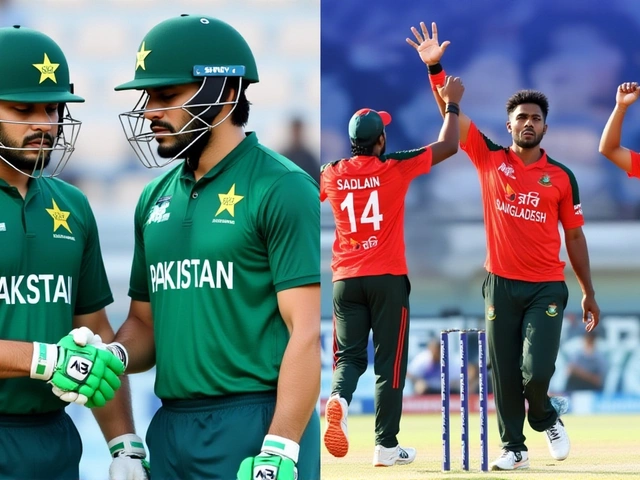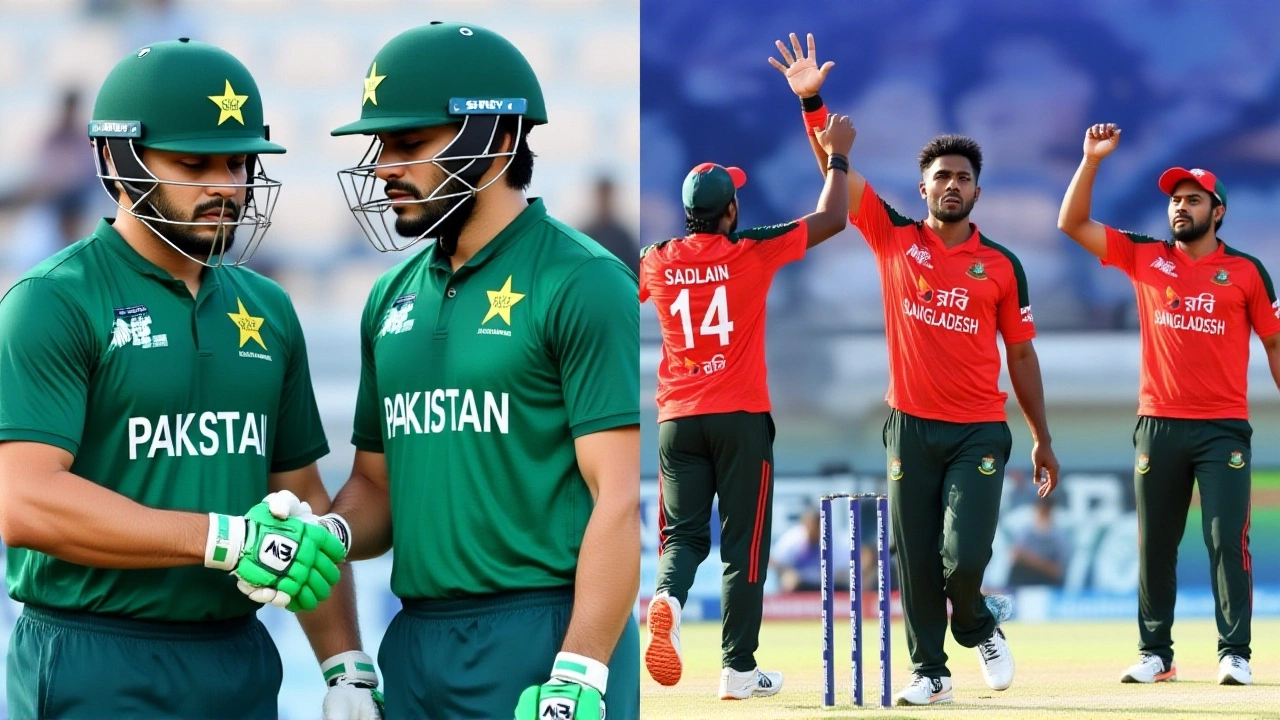
On Sunday, November 23, 2025, at 14:30 local time, Pakistan A pulled off a heart-stopping Super Over win to claim their third Asia Cup 2025 Rising Stars title, defeating Bangladesh A at the West End Park International Cricket Stadium in Doha, Qatar. Both teams finished their 20 overs tied at 125 runs — Pakistan all out, Bangladesh at 125/9 — leaving the winner to be decided by a one-over eliminator. And when Saad Masood’s thick inside edge flew past the leg stump on the final ball of the Super Over, the stadium erupted. The moment wasn’t just a win. It was a statement.
A Tense Finish That Defied Expectations
Bangladesh A won the toss and chose to bowl, a decision that looked smart early on. Pakistan A struggled through the Powerplay, losing three wickets for just 40 runs. But then came the quiet brilliance of Arafat Minhas (24 off 31) and captain Irfan Khan, who anchored the innings with a gritty 40 not out from 48 balls. By the 16.6-over mark, Pakistan had crossed 100, but wickets kept falling. The final over was a nightmare: two wickets, a run-out, and then the last man standing — Ahmed Daniyal — held his nerve to see them to 125 all out. Bangladesh needed one run off the final ball to win. They didn’t get it. The crowd held its breath. The match went to a Super Over.
The Super Over That Defined a Legacy
Enter Ahmed Daniyal. The 21-year-old seamer had already taken 2 for 11 in four overs during the main innings. In the Super Over, he was handed the ball again. With the weight of a nation’s expectations on his shoulders, he bowled a flawless over: two wickets, six runs conceded. Bangladesh’s last two batters — Rakibul Hasan and Ripon Mondol — fell to him in succession. The pressure wasn’t just physical; it was psychological. Daniyal didn’t celebrate. He just nodded. He knew what came next.
On the other side, Saad Masood and Maaz Sadaqat stepped up. Masood, a left-hander known more for his calm than his power, faced the first ball of Pakistan’s Super Over. He didn’t try to hit it out of the park. He worked it fine, then cracked the next one through mid-wicket for two. The winning run came off the fifth ball — a low full toss, inside-edged, skidding past the leg stump. Masood punched the air. Sadaqat sprinted from the non-striker’s end. Teammates poured onto the field. No fireworks. No choreography. Just pure, unfiltered joy.
How Bangladesh A Made It This Far
It’s easy to forget how far Bangladesh A came. Just two days earlier, they’d stunned India — the tournament favorites — in a semi-final that also went to a Super Over. Their captain, Akbar Ali, had led from the front with the bat, while young pacers like Mahfuzur Rahman Rabby and Mrittunjoy Chowdhury had dismantled India’s top order. Their journey to the final wasn’t just impressive; it was historic. For a team that had lost their last three finals in this tournament, this was their best shot at redemption. They came close. So close.
Why This Matters Beyond the Trophy
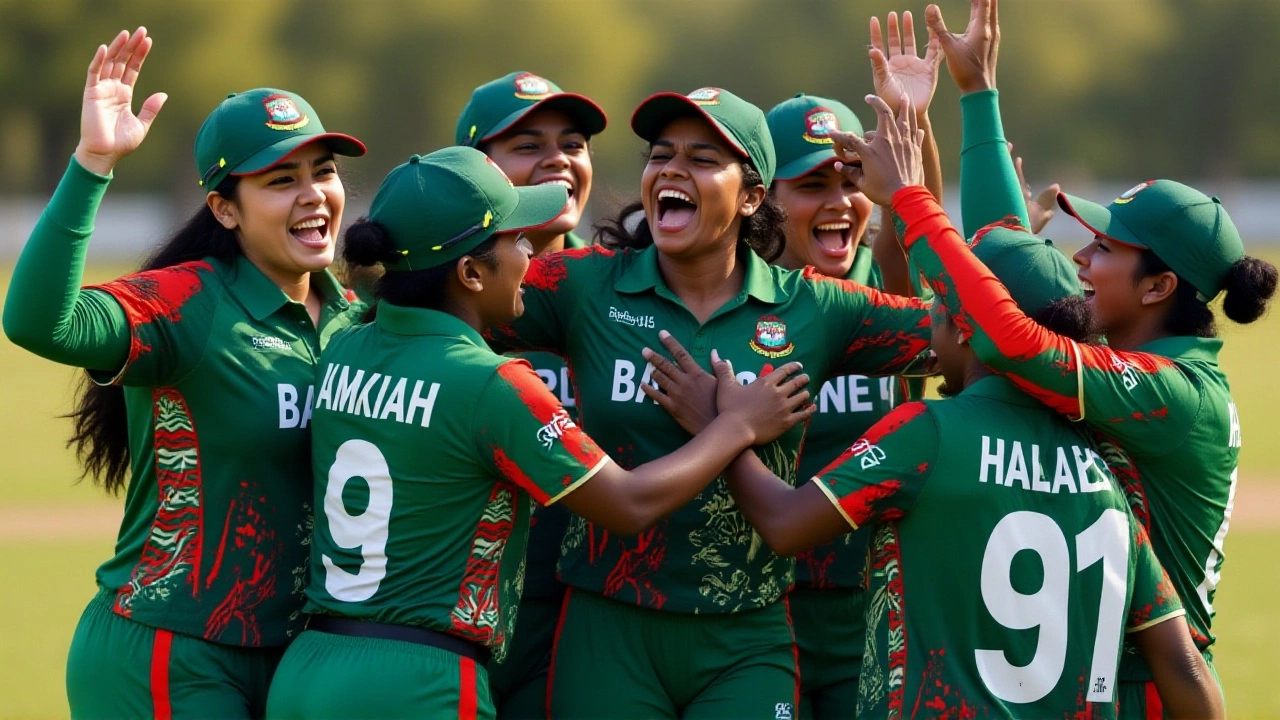
This isn’t just about a trophy. The Asia Cup 2025 Rising Stars is the Asian Cricket Council’s flagship youth development platform. Players here aren’t just competing — they’re being scouted. Daniyal’s 2 for 6 in the Super Over? He’s now on the radar of Pakistan’s senior selectors. Masood? His cool under pressure could land him a spot in the T20I squad next year. And for Bangladesh, this tournament was a wake-up call. Their young core — Sohan, Ankon, Mondol — showed they belong. But they need more than talent. They need consistency. And that’s what Pakistan A, now three-time champions, have mastered.
The Bigger Picture: Doha as Asia’s Cricket Hub
For the third time in two years, the West End Park International Cricket Stadium in Doha hosted a major final. The venue, with its floodlit pitches and air-conditioned stands, has become the go-to for neutral, high-stakes matches in the region. No monsoons. No political tensions. Just cricket. And with the ICC pushing for more tournaments in neutral venues, Doha’s role is only growing. This final drew over 18,000 fans — a record for an Under-23 match in the Middle East. The message? Asia’s future is being built here.

What’s Next for Both Teams?
Pakistan A’s win cements them as the team to beat in the next Rising Stars edition. Their blend of calm finishers, disciplined pacers, and adaptable middle-order batsmen is a blueprint. Meanwhile, Bangladesh A will return home with a mix of pride and frustration. Their selectors now face a choice: promote their core group to the senior team or keep them in the development pipeline. Either way, the foundation is laid. And for the first time in years, Bangladesh’s youth system feels like it’s moving forward — even if it lost the final.
Key Moments That Changed the Game
- Powerplay 1: Pakistan A lost 3 wickets for 40 runs — looked doomed.
- 9.6 overs: Strategic timeout at 62/4. Irfan Khan on 4, Arafat Minhas on 24 — the innings was hanging by a thread.
- 19.6 overs: Bangladesh A needed 1 run off the last ball. No six. No boundary. Just a dot.
- Super Over: Ahmed Daniyal’s 2 wickets in 6 balls — the most clutch performance of the tournament.
- Final ball: Saad Masood’s inside edge — a moment of chaos turned into history.
Frequently Asked Questions
Who were the key players in Pakistan A’s Super Over win?
Ahmed Daniyal was the undisputed hero, taking 2 wickets for just 6 runs in the Super Over, including the crucial dismissals of Rakibul Hasan and Ripon Mondol. Saad Masood delivered the winning run with a lucky inside edge, while Maaz Sadaqat anchored the chase with calm batting. Captain Irfan Khan’s leadership and 40 not out in the main innings kept Pakistan A alive.
Why was this match decided by a Super Over and not a boundary count?
The Asia Cup 2025 Rising Stars tournament rules mandated a one-over eliminator for tied matches, not a boundary count rule. This was a deliberate move by the Asian Cricket Council to test players’ nerve under pressure. The result was a more dramatic, skill-based decider — and it worked. The Super Over produced two wickets, a winning run, and a new legend in Ahmed Daniyal.
How does this win affect Pakistan’s senior team selection?
Pakistan’s senior selectors are already watching closely. Ahmed Daniyal’s composure under pressure and Saad Masood’s finishing ability make them strong candidates for the T20I squad next year. Irfan Khan’s captaincy has also drawn praise — he’s being considered for the ODI vice-captaincy. This tournament is now seen as a direct pipeline to the national team, and Pakistan’s depth in young talent is growing rapidly.
Did Bangladesh A’s loss to India in the semi-final give them an advantage?
In a way, yes. Beating India in a Super Over gave Bangladesh A massive confidence and experience in high-pressure scenarios. They knew what it felt like to win on the edge. But that same pressure, combined with fatigue and the weight of expectation, may have worked against them in the final. Pakistan A, by contrast, had a more straightforward path to the final — and saved their energy.
Why is Doha becoming a hotspot for youth cricket tournaments?
Doha offers neutral, world-class facilities with no weather disruptions, strong security, and logistical support. The West End Park International Cricket Stadium has hosted multiple ICC events since 2023. With India and Pakistan often avoiding each other on home soil, neutral venues like Doha allow for high-stakes matches without political friction. It’s also a strategic move by the ACC to expand cricket’s footprint in the Middle East.
What’s the significance of Pakistan A winning this title for the third time?
This is Pakistan A’s third title in the Rising Stars tournament — a record. They’ve now won in 2021, 2023, and 2025. No other team has won it more than once. That consistency isn’t luck. It’s a system: disciplined coaching, early exposure to pressure situations, and a clear pathway from youth to senior cricket. Pakistan’s cricket board has invested heavily in this pipeline — and the results are showing.