On Wednesday, November 19, 2025, at 1:30 pm IST, Narendra Modi stood before a sea of farmers at the Coimbatore CODISSIA Trade Fair Complex and announced the 21st instalment of the Pradhan Mantri Kisan Samman Nidhi (PM-KISAN) scheme — ₹18,000 crore flowing directly into the bank accounts of nearly 9 crore farming households. The money didn’t just appear on screens or in spreadsheets. It landed in the hands of smallholders in Odisha’s rice belts, Punjab’s wheat fields, and Kerala’s coconut groves — all through the Direct Benefit Transfer (DBT) system. For many, this ₹2,000 payment arrives just before the sowing season, when loans from moneylenders start creeping in. This time, they didn’t need to borrow.
From ₹3.7 Lakh Crore to ₹3.9 Lakh Crore: The Scale of Support
Since its launch on February 24, 2019, PM-KISAN has become the largest direct income support program for farmers in India’s history. The 21st disbursement pushes the total outlay past ₹3,90,000 crore — up from ₹3,70,000 crore after the 20th instalment in August 2025. Over 11 crore families have received aid, with Uttar Pradesh and Maharashtra leading in beneficiary numbers. But here’s the twist: nearly ₹416 crore has been clawed back from ineligible recipients — government employees, income tax payers, PSU workers — as mandated by the scheme’s own rules. That’s not just efficiency. It’s accountability.
The system isn’t perfect, but it’s transparent. Farmers must complete e-KYC via Aadhaar — either through OTP, biometrics at Common Service Centres, or face authentication. Land records are digitally verified. Village-level公示 lists let communities spot omissions. And now, the Ministry of Agriculture and Farmers Welfare is building a National Farmer Registry — a single digital profile that eliminates the need to re-submit documents for every scheme, from crop insurance to fertilizer subsidies.
The Natural Farming Push: A Quiet Revolution
But the real headline wasn’t just the money. It was what happened right after: the inauguration of the South India Natural Farming Summit 2025. Modi didn’t just cut a ribbon. He walked through stalls displaying turmeric grown without chemicals, rice paddies using cow-based bio-preparations, and vegetable plots in Tamil Nadu that doubled yields while cutting input costs by 60%. He shook hands with five natural farming pioneers — farmers from Kerala, Andhra Pradesh, and Karnataka — who’ve turned their fields into labs for sustainable agriculture.
"Adopt natural farming on just one acre this season," he urged. "See the results for yourself." And he wasn’t speaking in slogans. Between 2019 and 2025, agricultural exports have doubled — from $30 billion to $60 billion. The government has also slashed GST on bio-fertilisers from 18% to 5%, making organic inputs affordable. Over ₹10 lakh crore in credit has flowed through Kisan Credit Cards, giving farmers breathing room beyond the ₹6,000 annual handout.
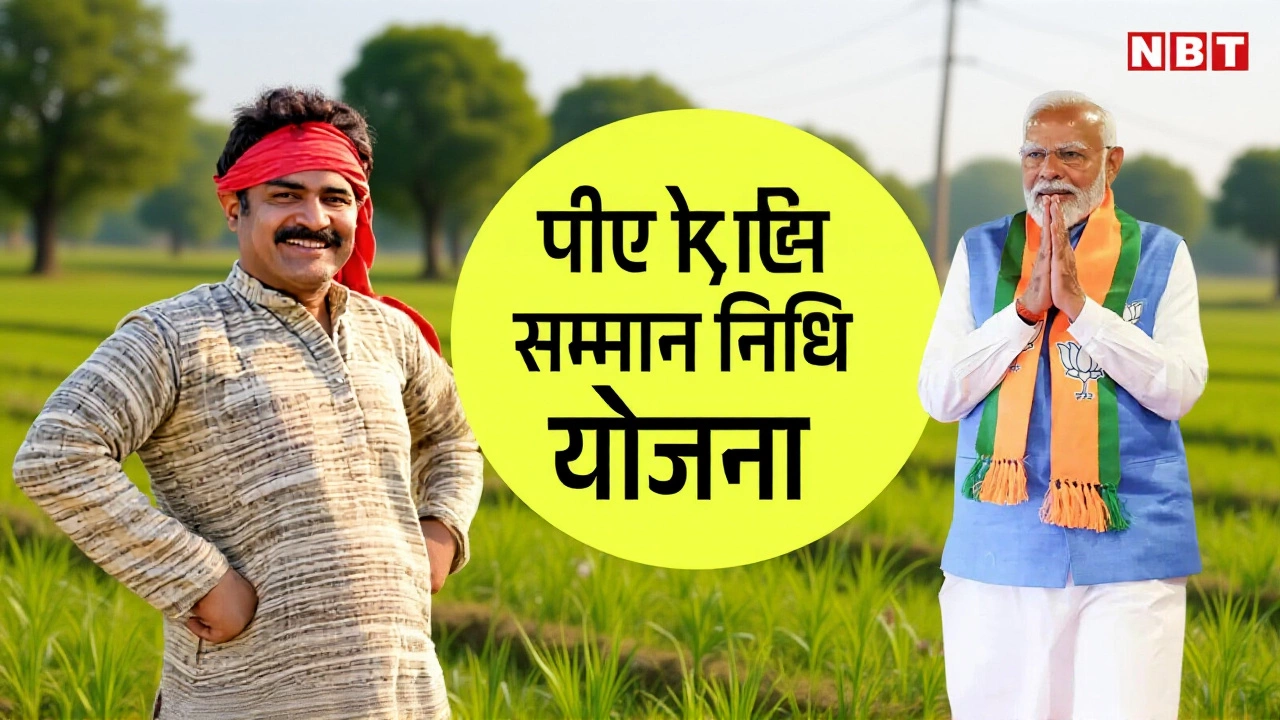
Why This Matters to Every Indian
More than 85% of India’s 146 million farmers own less than two hectares. For them, PM-KISAN isn’t charity — it’s survival. It’s the difference between sending a child to school or pulling them out to work in a brick kiln. It’s the buffer against climate shocks — the delayed monsoon, the unseasonal frost in Maharashtra, the pest outbreak in Telangana. Before PM-KISAN, many turned to informal lenders charging 30-60% interest. Now, they’re buying seeds with dignity.
The saturation drives of 2023 and June 2024 added 1.25 crore new beneficiaries — mostly landless laborers, women-headed households, and marginal farmers who’d been left out. Maharashtra Governor Acharya Devvrat, watching online from Pune, praised the shift: "Natural farming isn’t a trend. It’s a return to wisdom."
What’s Next? The Digital Horizon
The National Farmer Registry — expected to go live by mid-2026 — will link PM-KISAN with soil health cards, weather alerts, and market price data. Imagine: a farmer in Coimbatore gets a push notification: "Your soil needs phosphorus. Nearby agri-input shop offers 20% discount. Kisan Credit Card eligible." That’s the vision.
And the data? It’s already reshaping policy. The recovery of ₹416 crore from ineligible recipients wasn’t just a win for fiscal discipline — it showed the system can self-correct. The Ministry now uses AI to flag anomalies: a farmer with a ₹12 lakh salary receiving PM-KISAN? Flagged. A land record mismatch? Flagged. Transparency isn’t just a buzzword here — it’s built into the architecture.
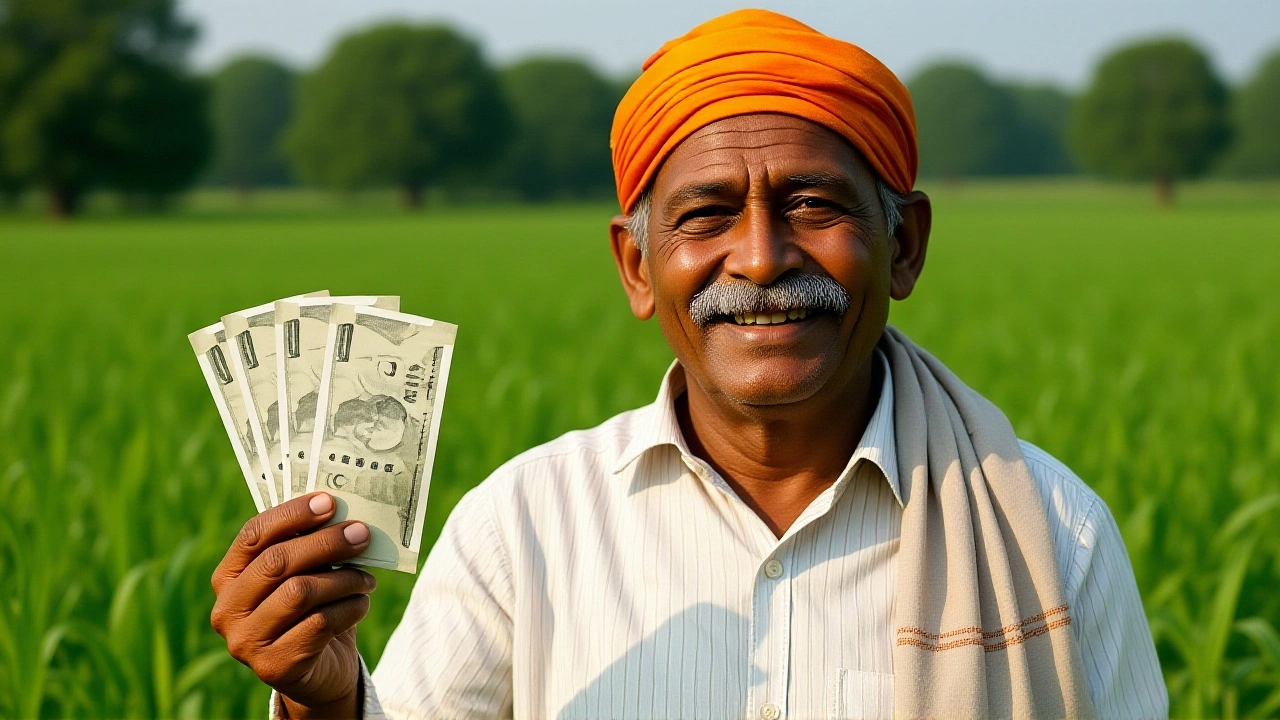
Behind the Scenes: The Real Stories
One farmer from Erode, Tamil Nadu, told reporters he used his last PM-KISAN payment to buy a small solar pump. This time, he’s buying composting bins. "I stopped buying chemical fertilizers two years ago," he said. "My yield is the same, but my debt is gone. My wife says we’re eating better too. No more stomach aches from pesticide residue."
Another in Vidarbha, Maharashtra, used the funds to send his daughter to a vocational course in agro-processing. "She’ll start a small unit to make mango pulp from our surplus," he said. "That’s the future. Not just farming. Value creation."
These aren’t anecdotes. They’re the human layer beneath the ₹18,000 crore number.
Frequently Asked Questions
Who qualifies for PM-KISAN and how is eligibility verified?
Eligible beneficiaries are small and marginal farmer families owning cultivable land, excluding those with higher income — like government employees, income tax payers, or PSU staff. Verification uses Aadhaar-linked e-KYC, digital land records, and village-level公示 lists. Over 1.25 crore new farmers were added through saturation drives in 2023 and 2024, with AI now flagging mismatches for recovery.
How has PM-KISAN changed farmers’ access to credit?
Before PM-KISAN, 70% of small farmers relied on informal lenders charging 24-60% interest. Now, the ₹6,000 annual support reduces debt pressure, making them eligible for formal Kisan Credit Cards. Since 2019, over ₹10 lakh crore has been disbursed through KCCs, with interest subvention and insurance linked to the scheme, improving credit access by nearly 40% in rural India.
What’s the difference between natural farming and organic farming?
Natural farming avoids external inputs entirely — no certified organic manure or compost bought from shops. It uses only on-farm resources: cow dung, urine, jaggery, and local microbes. Organic farming still permits purchased inputs. PM-KISAN’s push for natural farming cuts costs further and aligns with India’s traditional practices, reducing dependency on imported fertilizers.
Why was Coimbatore chosen for this disbursement?
Coimbatore is a hub for agri-innovation in South India, with strong farmer producer organizations and high adoption of natural farming. Hosting the event here signals the government’s focus on regional models — Tamil Nadu, Kerala, and Karnataka are leading in chemical-free agriculture. The CODISSIA Trade Fair Complex offered space for the summit, farmer exhibitions, and digital infrastructure for live DBT tracking.
How many women farmers benefit from PM-KISAN?
As of August 2025, over 2.4 crore women farmers were direct beneficiaries — nearly 27% of the total. The scheme allows joint bank accounts with spouses, and many states now prioritize female-headed households during beneficiary mapping. This has empowered women to make farm decisions, invest in education, and reduce domestic financial stress.
What’s the goal of the National Farmer Registry?
The registry aims to create a single, verified digital identity for every farmer, linking PM-KISAN, soil health cards, crop insurance, and market access. By 2026, it will eliminate repeated documentation, reduce fraud, and enable real-time policy targeting. Think of it as a farmer’s digital passport — unlocking all government schemes with one login.