Culinary Diversity: Explore, Taste, and Cook the World's Flavors
Food maps how people live, move, and celebrate. Trying dishes from different places changes how you eat and think. You don't need plane tickets to taste new cultures; a local market, a home recipe, or a small neighborhood restaurant can open a whole world.
Start small. Pick one country or region each month and learn one dish well. Read a simple recipe, find the right spice or sauce, and cook it twice. The first time is learning; the second time you make it your own. Keep notes on what worked: heat level, ingredient swaps, timing. That short habit builds real taste knowledge fast.
Visit shops that specialize in ingredients you don't usually use. Latin American tortillerias, Korean grocery stores, West African markets, or Indian spice shops let you smell and compare staples. Ask vendors how to cook items you buy. They are often happy to give quick tips like which cut of meat to use or how long a sauce should simmer.
Try these dishes to get a wide view: Ethiopian injera with stews, Mexican mole with chicken, Japanese miso-marinated fish, South Indian dosa with chutney, and Moroccan tagine with preserved lemons. Each dish teaches a different cooking idea — souring with fermented batter, layering spices, balancing sweet and bitter, slow braising, or working with preserved ingredients.
Practice key techniques
Focus on a few techniques that appear across cuisines: fermentation, dry toasting spices, balance of acid-salt-sweet-bitter, and low-and-slow cooking. Learn to ferment a simple jar of vegetables or make a basic stock. Toasting whole spices before grinding lifts flavor. These small skills change most recipes for the better and help you adapt unfamiliar dishes using local ingredients.
Eat with respect
When you cook another culture's food, pay attention to origin and tradition. Learn how a dish is served, when it's eaten, and whether certain ingredients are sacred or seasonal. Respect allergies and dietary rules—offer alternatives and be honest with guests. Buying from small producers supports communities and keeps traditions alive.
Hosting a multicultural dinner is a great way to share what you learn. Pick two or three small dishes from different places, label them, and tell a short story about each one—where it comes from and why you chose it. Encourage guests to taste each component separately and together to notice how flavors change when paired.
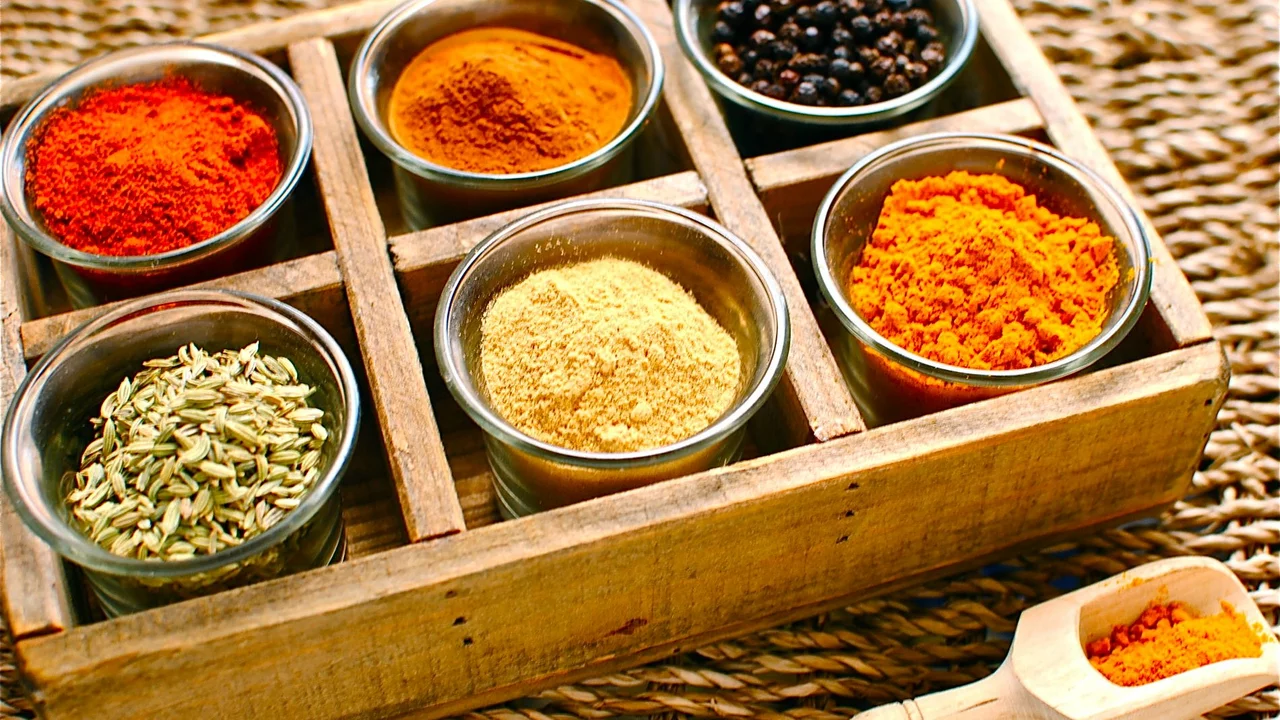
You don't need exotic ingredients to begin. Substitute local vegetables for pricey imports, use dried spices instead of fresh herbs when needed, and stretch proteins with grains or legumes. Buy seasonal produce to save money and get better flavor. Keep a spice kit: cumin, paprika, turmeric, soy sauce, and a chili paste cover many cuisines. Experiment on weeknights before attempting big meals.
Curiosity beats perfection. Taste often, ask questions, and change recipes without guilt. Over time you’ll build a practical sense for global flavors and a small cookbook of personal favorites. That makes daily meals richer and travel tastier when you do head out to explore.
I tell ya, Indian food is like a Bollywood dance for your taste buds – vibrant, lively, and full of drama! It's a masterstroke of spices, each dish an orchestra playing a symphony of flavors. It's like a gastronomic journey across India without leaving your dining table! And you know what's the cherry on top? There's a dish to match every mood swing – spicy curries for adventure, sweet gulab jamun for comfort, and aromatic biryanis for celebration! It's not just food, it's a culinary carnival!
Continue reading...