Indian Food: Practical Tips, Flavors, and Easy Dishes
Want to cook real Indian food without getting lost in a dozen spices? Start with a few basics and a clear plan. Indian food means bold flavors, simple techniques, and plenty of ways to make meals at home that taste like street stalls or family dinners.
First, learn three building blocks: tempering spices in hot oil (tadka), a good onion-tomato base, and balancing heat with acid and salt. Temper cumin or mustard seeds in oil for 30 seconds until they pop. Sauté chopped onions until soft and golden before adding garlic, ginger, and tomatoes. Finish with lemon or a splash of yogurt to brighten the dish.
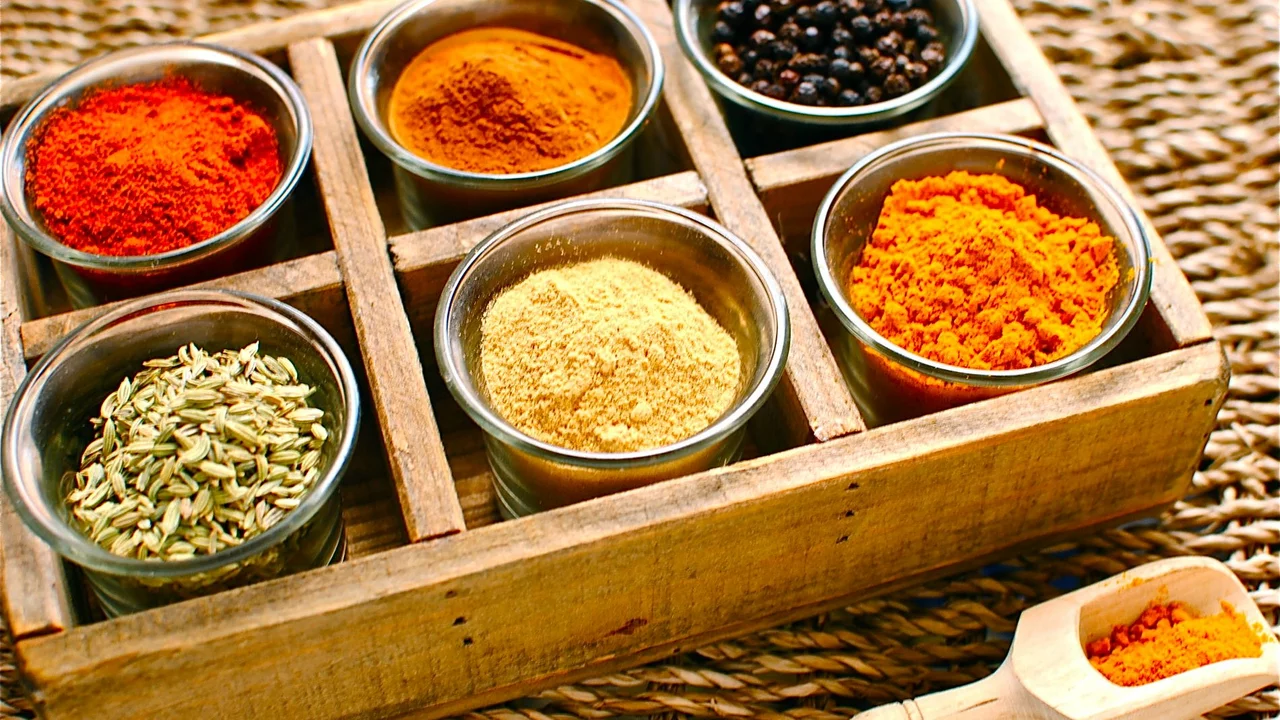
Keep a small spice kit: cumin, coriander, turmeric, red chili powder, garam masala, and mustard seeds. Use fresh-ground spices when possible, but store them in a cool, dark place so they don’t lose punch. For curry powders and blends, add garam masala at the end to keep aroma strong.
Quick dishes to try
Paneer bhurji: Crumble paneer and cook with onions, tomatoes, turmeric, and garam masala. It’s fast, protein-rich, and great with toast or roti.
Masoor dal (red lentils): Rinse lentils, simmer 15–20 minutes with turmeric, then temper with oil and cumin. Add chopped spinach or tomatoes for more texture.
Vegetable pulao: Sauté whole spices (bay leaf, cloves), add rice and mixed veggies, pour measured water, and cook covered. Fluffy rice with minimal effort.
Chole-inspired chickpeas: Use canned chickpeas if short on time. Cook with onion-tomato gravy, chole masala, and finish with fresh cilantro and a squeeze of lemon.
Street food and regional highlights
North India leans on tandoor breads and rich gravies: think butter naan, butter chicken, and chole. South India favors rice, coconut, and tamarind: dosa, sambar, and coconut chutney are staples. In the West, you’ll find Gujarati thalis and small snacks like dhokla. East India offers fish curries and sweets like rasgulla. Try one dish from each region to get a real feel for variety.
Eating safely from street vendors is easy: pick busy stalls with high turnover, watch how food is handled, and choose freshly cooked items like chaat, kebabs, or dosas served hot. If you have a sensitive stomach, avoid raw salads and prefer cooked, piping-hot food.
Shopping and pantry tips: buy whole spices and grind a small amount when needed. Stock basics like basmati rice, lentils, chickpeas, ghee or neutral oil, and plain yogurt. Fresh cilantro, green chilies, and ginger add a lot of flavor without effort.
Cooking Indian food is about getting comfortable with a few simple moves and spices. Start small, taste as you go, and don’t be afraid to adapt heat or tang to match your taste. You’ll be surprised how quickly a handful of ingredients turns into a memorable meal.
I tell ya, Indian food is like a Bollywood dance for your taste buds – vibrant, lively, and full of drama! It's a masterstroke of spices, each dish an orchestra playing a symphony of flavors. It's like a gastronomic journey across India without leaving your dining table! And you know what's the cherry on top? There's a dish to match every mood swing – spicy curries for adventure, sweet gulab jamun for comfort, and aromatic biryanis for celebration! It's not just food, it's a culinary carnival!
Continue reading...